English
Sign in
| Price | ASK |
| MOQ | 1000PCS |
| Delivery Time | 2-4 Weeks |
| Brand | CNAMPFORT |
| Place of Origin | CHINA |
| Certification | ROHS |
| Model Number | Y50 120A |
| Packaging Details | Bulk |
| Payment Terms | T/T, Western Union |
| Supply Ability | 100,0000,000PCS PER MONTH |
| Place of Origin | CHINA | Packaging Details | Bulk |
| Model Number | Y50 120A | Supply Ability | 100,0000,000PCS PER MONTH |
| Certification | ROHS | Name | Thermal Cutoff Fuse |
| Brand Name | CNAMPFORT | Payment Terms | T/T, Western Union |
| Rated current | 120A | Price | ASK |
| Delivery Time | 2-4 Weeks | Rated voltage | 250V |
| Minimum Order Quantity | 1000PCS | Model | Y50 150C 120A 250V |
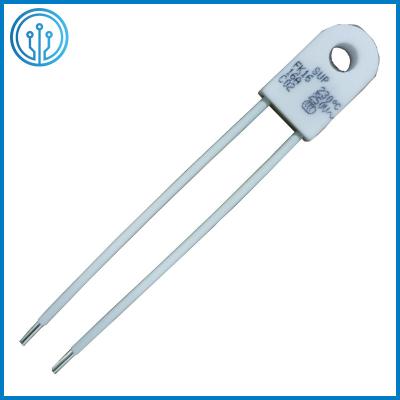
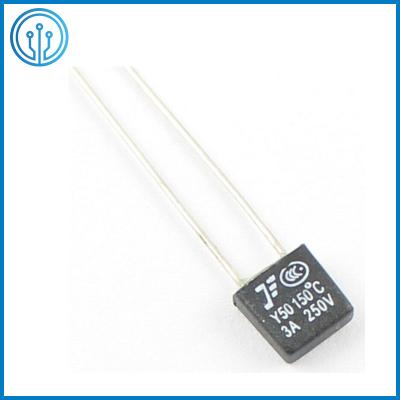
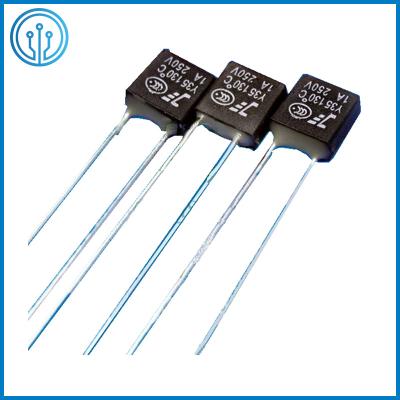
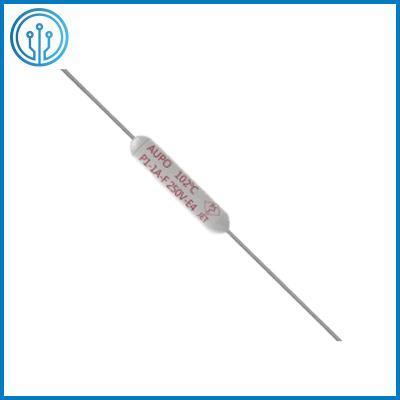
High Current Thermal Cutoff Fuse Link Y50 150C 120A 250V for Electric Heater of Car Appliances
Description
Thermal fuses offer an accurate, reliable solution to the need for upper limit temperature protection against overheating by interrupting an electrical circuit when operating temperatures exceed the rated temperature of the thermal fuse. The y50-series, designed for higher voltage and current applications, is rated for continuous operating.
Application
Thermal fuses are widely used in household appliances and electronic devices, including:automatic drip coffee makers, water heaters, microwave ovens, sandwich toasters, electric stoves, dishwashers, Electric boiling pans, household and industrial electric irons, dryers, electric heaters, washing machines, office equipment, refrigerators, car seat heaters, microwave ovens, etc.
Microwaves and ovens
Refrigerators and water heaters
Hair dryers and coffee machines
Electric motors and transformers
They are also applied in industrial equipment, automotive systems, and communication devices to prevent overheating and ensure safety.
Specifications
| Name | Thermal Fuse |
| Rated current | 120A |
| Rated voltage | 250V |
| Function temp | 150C |
| Housing | Ceramic |
| Mounting | Screw |
Photos


Models:
G8A01072C G8A00072C E8A01072C E8A00072C G8A51072C G8A50072C E8A51072C E8A50072C
G8A01073C G8A00073C E8A01073C E8A00073C G8A51073C G8A50073C E8A51073C E8A50073C
G8A01077C G8A00077C E8A01077C E8A00077C G8A51077C G8A50077C E8A51077C E8A50077C
G8A01084C G8A00084C E8A01084C E8A00084C G8A51084C G8A50084C E8A51084C E8A50084C
G8A01093C G8A00093C E8A01093C E8A00093C G8A51093C G8A50093C E8A51093C E8A50093C
G8A01098C G8A00098C E8A01098C E8A00098C G8A51098C G8A50098C E8A51098C E8A50098C
G8A01104C G8A00104C E8A01104C E8A00104C G8A51104C G8A50104C E8A51104C E8A50104C
G8A01110C G8A00110C E8A01110C E8A00110C G8A51110C G8A50110C E8A51110C E8A50110C
G8A01117C G8A00117C E8A01117C E8A00117C G8A51117C G8A50117C E8A51117C E8A50117C
G8A01121C G8A00121C E8A01121C E8A00121C G8A51121C G8A50121C E8A51121C E8A50121C
G8A01128C G8A00128C E8A01128C E8A00128C G8A51128C G8A50128C E8A51128C E8A50128C
G8A01144C G8A00144C E8A01144C E8A00144C G8A51144C G8A50144C E8A51144C E8A50144C
G8A01167C G8A00167C E8A01167C E8A00167C G8A51167C G8A50167C E8A51167C E8A50167C
G8A01184C G8A00184C E8A01184C E8A00184C G8A51184C G8A50184C E8A51184C E8A50184C
G8A01192C G8A00192C E8A01192C E8A00192C G8A51192C G8A50192C E8A51192C E8A50192C
G8A01229C G8A00229C E8A01229C E8A00229C G8A51229C G8A50229C E8A51229C E8A50229C
G8A01240C G8A00240C E8A01240C E8A00240C G8A51240C G8A50240C E8A51240C E8A50240C
Experimental Method
The experimental conditions are temperature 25±10℃, humidity 65±15%M
1 Action humidity accuracy: Rely on the IE691: 1995 inspection method and measure with the built-in silicone oil pool in the thermostat.
2 Size: Measure the finished product with a micrometer/vernier ruler.
3 Appearance: visual inspection.
4 Insulation resistance: Measure the finished product with SP-3A digital megohmmeter, and measure the voltage DC500V.
5 Withstand voltage: Use the ZNY-12 withstand voltage test to determine the finished product, which takes 1 minute.
6 Tensile force: Measure the finished product with a push-pull tester, and the pin bears 1.5 pounds of pulling force for 10 minutes without damaging the components.
7 Torsion: Bend the lead at 10mm at 90°C, and then reverse it at 180°C without damaging the component.
Test Requirements
1. Rated operating temperature (Tf): The temperature at which the thermal fuse is tested according to the standard method to change its conductive state. (The Japanese Electrical Appliances Management Law stipulates that the tolerance range is ±7℃ for operation).
2. Measured operating temperature: The temperature fuse is heated in the silicone oil bath at a rate of 0.5-1°C per minute, and the fusing temperature obtained when the detection current is less than 100MA. It is the actual temperature of the thermal fuse.
3. Holding temperature (Tc): The maximum temperature at which the thermal fuse can maintain 168 hours without changing its conductive state when passing the rated current.
4. Limit temperature (Tm): The maximum temperature at which the thermal fuse can withstand 10 minutes without reconnection.
5. Rated voltage (Ur): The highest working voltage of the thermal fuse.