English
Sign in
| Price | 0.49 |
| MOQ | 1pcs |
| Delivery Time | 7-15 day |
| Brand | PFT |
| Place of Origin | China |
| Certification | ISO13485, IS09001, AS9100, IATF16949 |
| Model Number | OEM/ODM |
| Packaging Details | custom |
| Payment Terms | L/C, D/A, D/P, T/T, Western Union, MoneyGram |
| Supply Ability | 300,000pcs |
| Place of Origin | China | Keyword | CNC Turning Parts |
| Packaging Details | custom | Tolerance | 0.01mm |
| Service | OEM/ODM/Customized/Design | Our Servce | OEM ODM |
| Turning | Available | Specification | Custom by 2D/3D/drawing |
| Model Number | OEM/ODM | Working Accuracy | Finish machining |
| Supply Ability | 300,000pcs | Certification | ISO13485, IS09001, AS9100, IATF16949 |
| Materials Avaliable | Aluminum Alloy | Processing | CNC turning, polished |
| Brand Name | PFT | Payment Terms | L/C, D/A, D/P, T/T, Western Union, MoneyGram |
| Price | 0.49 | Delivery Time | 7-15 day |
| Technology | 17 Years Experience | Oem | Available,Offered,Accept |
| Minimum Order Quantity | 1pcs | Factory Visit | Welcome Anytime |
| Reliability Test | Mechanical dimentions | Quality Control | 100% Inspection Berore Shipment |
So, you've just gotten a batch of CNC machined aluminum parts. They look great – precise, clean, and full of potential. But raw aluminum has a downside: it can corrode, it scratches easily, and let's be honest, it might not always fit the look you're going for.
That's where painting comes in. It's not just about making your parts pretty (though that's a big plus!). It's a crucial step for protection and performance.
Think of paint as a super-tough skin for your aluminum. Getting it right, however, is a bit more involved than slapping on a coat of house paint. Let's walk through the process so you know exactly what to expect.


First off, why go through the trouble?
Anyone in the know will tell you: 90% of a perfect paint job is in the preparation. If you skip this, even the best paint will fail. Here’s the essential pre-paint checklist:
1.Degreasing: The CNC machining process leaves behind oils and residues. The part needs a thorough bath in a special solvent to get it completely clean.
2.Abrasive Blasting (Sandblasting): This is a game-changer. Tiny abrasive particles are blasted onto the surface to create a uniform, slightly rough texture. This "tooth" gives the paint something to grip onto mechanically, creating a bond that's incredibly strong.
3.The Priming Mission: Never, ever skip primer! A primer designed for metal does two critical things:
Once the part is prepped and primed, it's time for color. The main contenders are:
Spray Paint vs. Powder Coat: Which is for you?
As a CNC machining shop, we don't just make the parts—we make sure they're finished for their final job. We understand the critical prep work and can guide you on the best painting or powder coating method for your project's budget, timeline, and performance needs.
A perfectly machined part deserves a perfect finish. By getting the painting process right, you're not just adding color; you're ensuring longevity, durability, and a professional look that lasts.

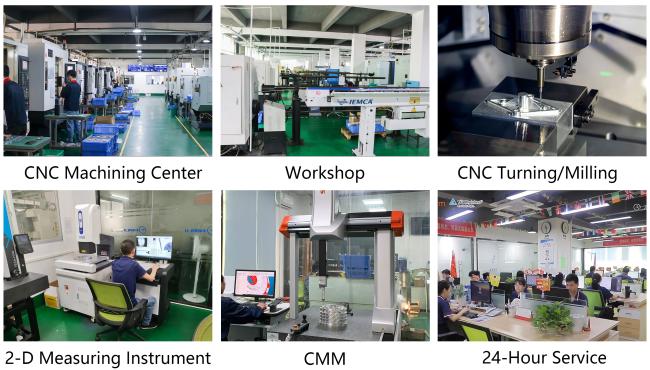

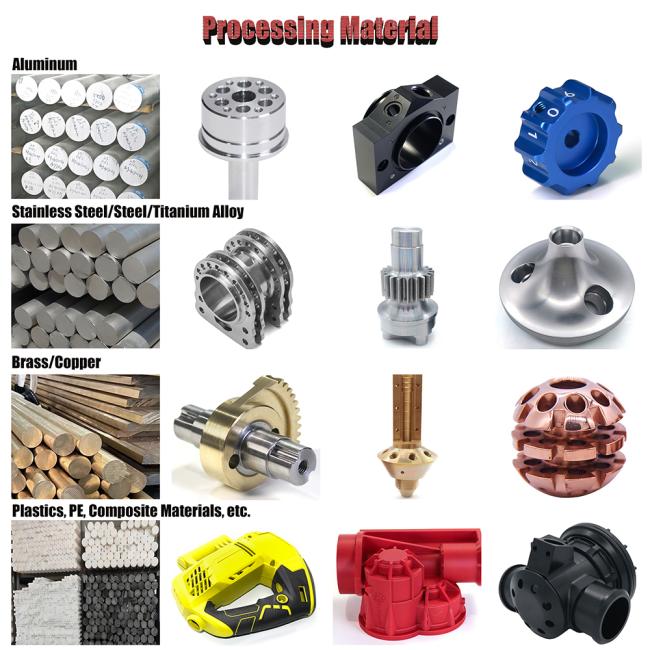

1. Are you a manufacturer or a trading company?