English
Sign in
| Price | USD 0.21-1.80 |
| MOQ | 1000㎡ |
| Delivery Time | 5-8 work days |
| Brand | Haisan |
| Place of Origin | CN |
| Certification | CE |
| Model Number | hs-tube |
| Packaging Details | PP Woven Bag |
| Payment Terms | L/C,T/T |
| Supply Ability | 1000000㎡ per month |
| Place of Origin | CN | Bursting Strength(Cbr) | 5-22kN |
| Packaging Details | PP Woven Bag | HS Code | 540720000 |
| Color | All color | Material | PP |
| Equivalent Opening Size | 0.4-0.9mm | Permeability | 15-200L/㎡/S |
| Model Number | hs-tube | Trademark | Haisan |
| Supply Ability | 1000000㎡ per month | Certification | CE |
| UV-Resistance | 85-90% | Brand Name | Haisan |
| Payment Terms | L/C,T/T | Breaking Strength in MD | 70-200KN/m |
| Model NO. | hs-tube | Price | USD 0.21-1.80 |
| Delivery Time | 5-8 work days | Minimum Order Quantity | 1000㎡ |
| Kind | Woven | Breaking Strength in CD | 90-200KN/m |
High Strength PP Woven Geotextile Dewatering Tubes For Environmental Dredging And Dewatering
Product Description
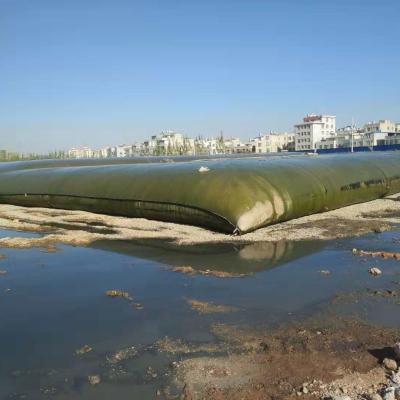
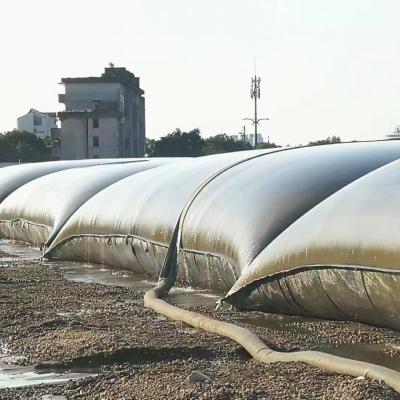
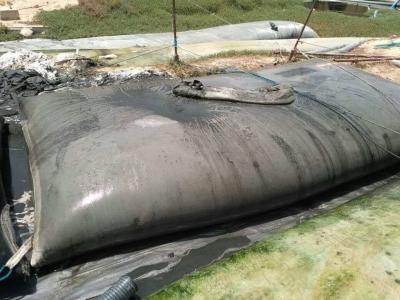
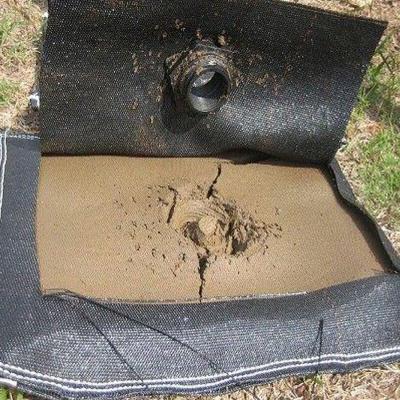
Woven geotextile tube is a high-performance geosynthetic container manufactured from high tenacity polyester (PET) or polypropylene (PP) filament yarns through a precision weaving process. The tube is custom-fabricated with sewn seams to form a cylindrical or pillow-shaped structure, designed for hydraulic filling with slurry materials such as dredged sediment, sludge, or sand.

Dewatering Geotextile Tube Technical Data:
|
Item
|
Unit
|
Technical
Parameters
|
|||
|
Tube 500
|
Tube 750
|
Tube 1000
|
|||
|
Breaking
strength
|
MD
|
KN/m
≥
|
70
|
120
|
200
|
|
CD
|
KN/m
≥
|
90
|
120
|
200
|
|
|
Elongation
of
break
|
MD
|
%≤
|
20
|
20
|
20
|
|
CD
|
%≤
|
10
|
10
|
10
|
|
|
Sewing
Tensile
strength
|
≥%
|
80
|
80
|
80
|
|
|
Bursting
Strength(CBR)
|
KN≥
|
8
|
14
|
18
|
|
|
Equivalent
opening
size(O90)
|
mm
|
0.2-0.6
|
0.2-0.6
|
0.2-0.6
|
|
|
Permeability(Q50)
|
L/㎡/s≥
|
20
|
13
|
15
|
|
|
UV-resistance(500HRS
strength
retention)
|
%≥
|
90
|
80
|
80
|
|
Applications
1.Sludge
Dewatering: Dewatering
of
dredged
material
from
rivers,
harbors,
and
shipping
channels,
reducing
sludge
volume
for
disposal
or
reuse.
2.Coastal
Protection: Shoreline
stabilization,
erosion
control,
and
breakwater
construction
against
wave
action
and
tidal
forces.
3.Embankment
Construction: Building
stable
embankments,
levees,
and
temporary
cofferdams
for
flood
control
and
land
reclamation.
4.Wastewater
Treatment: Dewatering
industrial
and
municipal
sludge
in
treatment
plants,
minimizing
disposal
costs.
5.Agricultural
Sediment
Management: Removing
sediment
from
irrigation
canals,
reservoirs,
and
aquaculture
ponds
to
maintain
water
quality.
6.Environmental
Remediation: Containing
contaminated
sediment
to
prevent
pollutant
migration
into
surrounding
water
bodies.


Specification