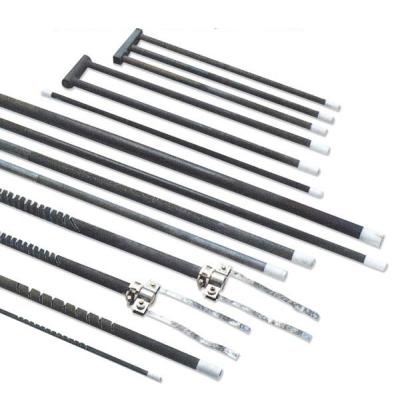
Heat
Exchange
Tubes
Heat
exchange
tubes
serve
as
the
core
components
of
heat
exchangers,
positioned
inside
the
shell
to
facilitate
thermal
transfer
between
two
media.
These
tubes
exhibit
exceptional
thermal
conductivity
and
isothermal
properties,
functioning
as
heat
transfer
superconductors
with
thermal
conductivity
thousands
of
times
greater
than
copper.
This
enables
rapid
heat
transfer
with
virtually
no
thermal
loss.
Material
Specifications
Metallic
Materials:
Carbon
steel,
low-alloy
steel,
stainless
steel,
copper,
copper-nickel
alloys,
aluminum
alloys,
titanium
Non-Metallic
Materials:
Graphite,
ceramics,
polytetrafluoroethylene
Material
selection
should
be
based
on
working
pressure,
temperature
conditions,
and
medium
corrosiveness
during
the
design
phase
to
ensure
optimal
performance
and
longevity.
Technical
Specifications
-
Tube
diameter
range:
Φ19mm
to
Φ38mm
-
Typically
manufactured
as
seamless
steel
or
stainless
steel
tubes
-
Tube
bundle
arrangement
primarily
in
triangular
pattern
-
Enhanced
heat
transfer
variants
include
finned
tubes
and
threaded
tubes
Isostatic
Pressing
Manufacturing
Process
This
advanced
manufacturing
technique
ensures
uniform
density
distribution
and
high
strength
through
controlled
pressure
application
in
all
directions
simultaneously.
-
Initial
Stage:
Powder
particles
migrate
and
rearrange
under
low
forming
pressure
-
Intermediate
Stage:
Local
flow
and
fragmentation
occur
as
pressure
increases
-
Final
Stage:
Maximum
pressure
compresses
powder
volume,
eliminates
pores,
and
achieves
densification
The
isostatic
pressing
process
involves
pumping
a
fluid
medium
(gas
or
liquid)
into
a
high-pressure
steel
sealed
container
using
a
high-pressure
pump.
The
hydrostatic
pressure
of
the
high-pressure
fluid
acts
directly
on
the
powder
within
the
elastic
mold,
subjecting
the
powder
body
to
uniform
pressure
from
all
directions
simultaneously.
Process
Flow
Diagram