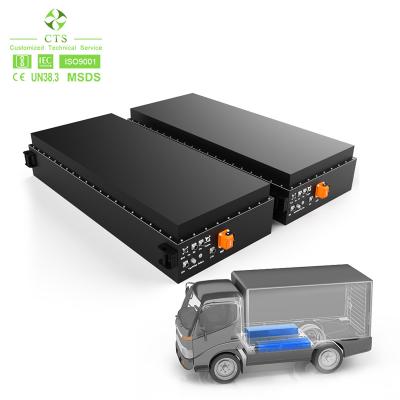
300v 400v 25ah 30ah 48ah Lithium Ion Battery High Dicharging Rate For Hybrid Vehicle
Price
3800-7000
MOQ
1
Delivery Time
40-50 working days
Brand
CTS
Place of Origin
China
Certification
CE/IEC/UL/MSDS/UN38.3/Rohs/R100
Model Number
CTS33640
Packaging Details
foam and wooden box by sea, UN box by air
Payment Terms
L/C, D/P, T/T, Western Union, MoneyGram
Supply Ability
10000PCS
Product Details
Product Specification
Place of Origin
China
Battery Voltage
336V
Customization
Support
Max Charge Current
Customized
Packaging Details
foam and wooden box by sea, UN box by air
Model Number
CTS33640
Supply Ability
10000PCS
Certification
CE/IEC/UL/MSDS/UN38.3/Rohs/R100
Safety Features
Overcharge protection, short circuit protection, thermal management system
Brand Name
CTS
Payment Terms
L/C, D/P, T/T, Western Union, MoneyGram
Normal Capacity
40AH
Price
3800-7000
Delivery Time
40-50 working days
Minimum Order Quantity
1
Peak Discharging Rate
4C/10S
Waterproof Level
IP54/IP65/IP67
Software
Available
Discharge Temperature
-20℃~60℃
Communication
CAN
Other
Cooling/heating pipe, CAN BUS protocol
Product Description
hybrid
vehicle
300v
400v
battery
25ah
30ah
48ah
high
dicharging
rate
lithium
ion
battery
for
hybrid
vehicle
The
battery
used
in
a
PHEV
Plug-in
Hybrid
Electric
Vehicle
)
is
specifically
designed
to
provide
a
balance
between
electric
driving
range
and
overall
vehicle
weight.
PHEV
batteries
are
typically
larger
and
have
higher
capacity
compared
to
batteries
used
in
conventional
hybrid
vehicles.
Key
Characteristics
of
PHEV
Batteries
Battery
Type:
PHEVs
commonly
use
lithium-ion
(Li-ion)
batteries
as
their
primary
energy
storage
system.
Li-ion
batteries
offer
a
good
balance
between
energy
density,
power
output,
and
weight,
making
them
suitable
for
PHEV.
Capacity:
The
battery
capacity
of
a
PHEV
determines
the
electric
driving
range.
PHEVs
usually
have
a
smaller
battery
capacity
compared
to
fully
electricvehicles,
The
capacity
normally
ranges
from
10
to
20
kWh.
Regenerative
Braking:
PHEV
like
other
hybrid
vehicles,
utilize
regenerative
braking
technology,
when
the
driver
applies
the
brakes
or
decelerates,
the
electric
motor
functions
as
a
generator,
converting
kinetic
energy
into
electrical
energy
and
storing
it
in
the
battery
pack
.
Weight
and
Packaging:
PHEV
batteries
are
designed
to
be
lightweight
and
compact
to
minimize
the
impact
on
the
overall
vehicle
weight
and
space.
This
allows
PHEVs
to
maintain
good
fuel
efficiency
and
practicality
while
still
providing
an
electric
driving
option
Rechargeable:
PHEV
batteries
are
rechargeable
and
can
be
charged
by
plugging
the
vehicle
into
an
external
power
source.
Testing
standard:
CTS
battery
can
pass
the
anti
vibration
test
and
thermal
runaway
test,
meeting
the
requirements
of
IEC62619,
R100
and
other
related
testing
standards