English
Sign in
| Price | Negotiable |
| MOQ | 1SET |
| Delivery Time | 5-8 Days |
| Brand | Leader-t/OEM |
| Place of Origin | China |
| Certification | CE, ISO9001, ISO14000, ISO13485 |
| Model Number | LD-I-C-60 |
| Packaging Details | Wooden /Box |
| Payment Terms | L/C,T/T,Western Union |
| Supply Ability | 1000 Sets /Month |
| Place of Origin | China | Ro system | PP |
| Optional | UV disinfection | After-sales service provided | Online support, Video technical support, Field installation, commissioning and training, Engineers available to service machinery overseas |
| Packaging Details | Wooden /Box | Color | customized |
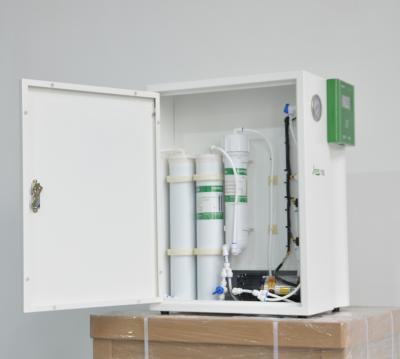
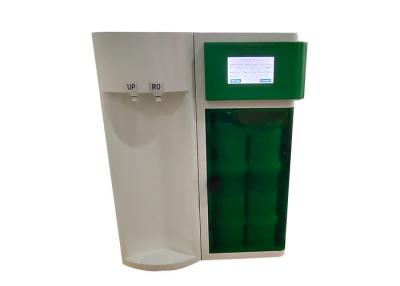
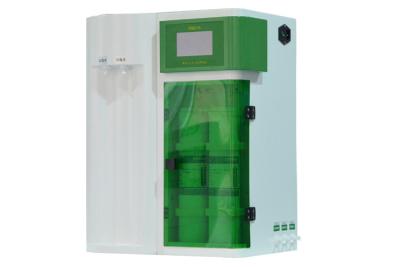
| Product | Hospital Laboratory Water Plant RO System | Model Number | LD-I-C-60 |
| Supply Ability | 1000 Sets /Month | Certification | CE, ISO9001, ISO14000, ISO13485 |
| Brand Name | Leader-t/OEM | Payment Terms | L/C,T/T,Western Union |
| Price | Negotiable | Delivery Time | 5-8 Days |
| Capacity | 60LPH | Minimum Order Quantity | 1SET |
| Core Components: | Pump, Motor, PLC | Power | 150W |
| Model | LDL-I-C-60 |
| Water production | 60L per hour |
| Conductivity | >15 MΩ.cm |
| AC Voltage | 220V |
| Power | 150W |
| Inlet water pressure | 0.1-0.5mpa |
| Optional function | UV disinfection |
In the water plant RO system, when pressure forces unfiltered water or feed water through a semi-permeable membrane, reverse osmosis (RO system) can remove contaminants. Water flows from the high-concentration side of the reverse osmosis membrane to the low-concentration side to provide clean drinking water. The fresh water produced is called osmotic water. The remaining concentrated water is called wastewater or brine.
The semi-permeable membrane has small holes that can block contaminants but allow water molecules to flow through. During the osmosis process, as water passes through the membrane to reach equilibrium on both sides, it becomes more concentrated. However, reverse osmosis prevents contaminants from entering the low concentration side of the membrane. For example, in the reverse osmosis process, when pressure is applied to a certain volume of salt water, the salt will be left behind, and only clean water will flow through.