English
Sign in
| Price | negotiable |
| MOQ | 20000 |
| Delivery Time | 30days |
| Brand | AILE |
| Place of Origin | CHINA |
| Certification | CE |
| Model Number | G01 |
| Packaging Details | Blister pack/PE bag |
| Payment Terms | L/C, T/T |
| Supply Ability | 400000+PKT+per month |
| Place of Origin | CHINA | color | white |
| Packaging Details | Blister pack/PE bag | Material | cotton |
| Benefits | Absorbency,Breathability,Softness,Versatility | Model Number | G01 |
| Supply Ability | 400000+PKT+per month | Certification | CE |
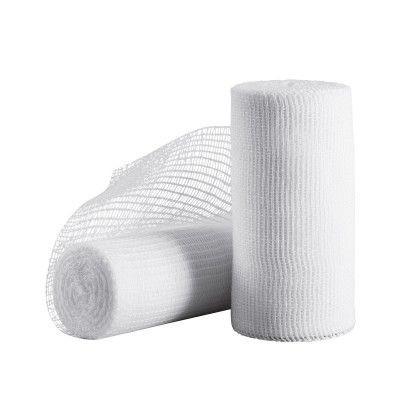
| certification | CE | Name | Cotton bandages |
| Brand Name | AILE | Payment Terms | L/C, T/T |
| Brand | AVACARE | application | first-aid |
| Price | negotiable | Delivery Time | 30days |
| Minimum Order Quantity | 20000 |
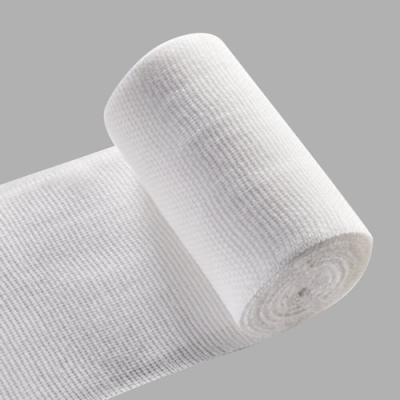
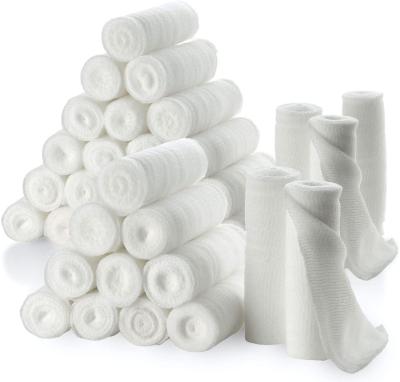
Cotton
bandage
typically
consists
of
a
long
strip
of
soft
cotton
fabric
that
can
be
wrapped
around
a
body
part
for
support,
compression,
or
to
secure
a
dressing
in
place.
Cotton
bandages
are
commonly
used
in
first
aid,
sports
injuries,
and
general
wound
care.
Cotton
bandages
provide
the
following
benefits:
Absorbency:
Cotton
is
known
for
its
absorbent
properties,
making
cotton
bandages
effective
at
absorbing
wound
exudate
or
blood.
Breathability:
Cotton
is
a
breathable
fabric
that
allows
air
circulation,
which
can
help
in
maintaining
a
moist
wound
environment
and
promoting
healing.
Softness:
Cotton
is
gentle
on
the
skin,
reducing
the
risk
of
irritation
or
allergic
reactions.
Versatility:
Cotton
bandages
can
be
used
for
a
wide
range
of
applications,
including
securing
dressings,
providing
compression,
supporting
sprained
joints,
or
covering
wounds.


How
to
use
the
cotton
bandages?
Here's
a
general
guide
on
how
to
apply
a
cotton
bandage:
Prepare
the
wound:
Clean
and
disinfect
the
wound
area
using
appropriate
antiseptic
solutions
or
as
directed
by
a
healthcare
professional.
Apply
any
necessary
wound
dressings
or
ointments
before
bandaging.
Select
the
appropriate
cotton
bandage:
Ensure
you
have
the
right
size
and
width
of
cotton
bandage
for
the
area
you
are
bandaging.
Cut
or
tear
the
bandage
to
the
desired
length
if
needed.
Position
the
bandage:
Start
by
holding
the
end
of
the
cotton
bandage
against
the
skin
near
the
wound.
If
necessary,
use
a
small
piece
of
tape
or
a
safety
pin
to
secure
the
initial
end
of
the
bandage
in
place.
Wrap
the
bandage:
Begin
wrapping
the
bandage
around
the
affected
area,
making
sure
to
overlap
each
layer
by
about
half
of
the
bandage's
width.
Maintain
a
firm
but
comfortable
tension
as
you
wrap,
ensuring
adequate
support
and
compression
without
causing
discomfort
or
impeding
circulation.
Secure
the
end:
Once
you
have
wrapped
the
desired
length,
secure
the
end
of
the
cotton
bandage
by
tucking
it
under
a
previous
layer
or
using
tape,
safety
pins,
or
clips
to
hold
it
in
place.
Make
sure
it
is
firmly
secured
but
not
too
tight.
Check
for
proper
fit:
Ensure
that
the
bandage
is
snugly
but
comfortably
wrapped
around
the
area.
Check
for
any
signs
of
excessive
tightness,
such
as
numbness,
tingling,
or
discoloration,
which
may
indicate
impaired
circulation.
Adjust
the
bandage
if
needed.
Monitor
and
change
as
necessary:
Regularly
check
the
bandage
for
signs
of
loosening,
wetness,
or
soiling.
If
the
bandage
becomes
dirty,
wet,
or
loses
its
effectiveness,
it
should
be
replaced
with
a
clean
one.
What
happens
if
gauze
is
left
in
a
wound?