English
Sign in
| Price | negotiable |
| MOQ | 100 units |
| Delivery Time | 20-30 working days |
| Brand | AVACARE |
| Place of Origin | CHINA |
| Certification | ISO13485, CE0123 |
| Model Number | 3.5mm |
| Packaging Details | Paper-plastic bag packaging, sterilization, small packaging, 100 units/inner box, 200 units / carton |
| Payment Terms | L/C |
| Supply Ability | 300000units / month |
| Usage | Medical care | Place of Origin | CHINA |
| use | Endotracheal Tube | Sample | Free |
| Packaging Details | Paper-plastic bag packaging, sterilization, small packaging, 100 units/inner box, 200 units / carton | Model Number | 3.5mm |
| type | Medical grade | Properties | Medical Materials & Accessories |
| Supply Ability | 300000units / month | Certification | ISO13485, CE0123 |
| Brand Name | AVACARE | Payment Terms | L/C |
| Instrument classification | Class II | Cuff | Yes |
| material | pvc | size | 3.5mm |
| Price | negotiable | Delivery Time | 20-30 working days |
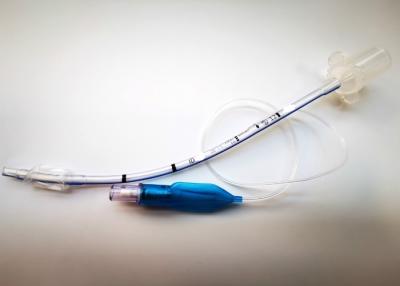
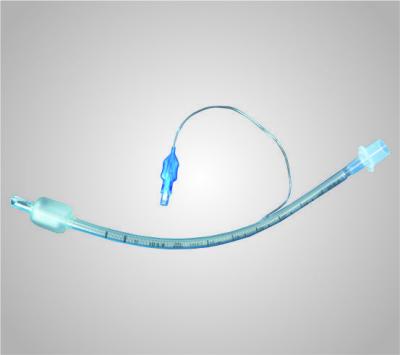
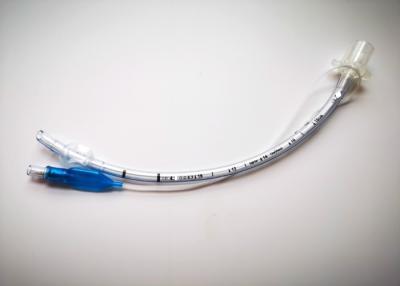
| Minimum Order Quantity | 100 units | name | Standard Endotracheal Tube Cuffed |
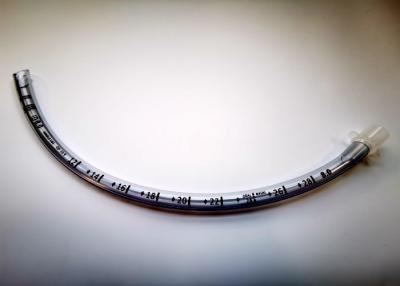
| parts | X ray line, murphy eyes with balloon |


A cuffed nasal endotracheal tube is a type of nasal tube used for airway management and mechanical ventilation. It is similar to an uncuffed nasal endotracheal tube, but it also includes an inflatable cuff at the distal end of the tube.
Here are some important points about cuffed nasal endotracheal tubes:

The specific steps for using a cuffed nasal endotracheal tube are similar to those of other nasal intubation techniques, as described earlier. However, additional attention should be given to proper cuff inflation and monitoring to maintain a secure airway and effective ventilation. Healthcare professionals trained in airway management should follow established protocols and guidelines when using cuffed nasal endotracheal tubes.
| Composition | Functions | |
| Murphy Eye | It can reduce the risk of occlusinon and maintaining airflow | |
| Balloon | Providing even pressure to maintain good sealing,reducing pressure on the tissues of trachea | |
| Wire coil | It is to increase flexibility, provide effective resistance to kinking | |
| Radiopaque | The radiopaque allows clear identification of the tube on radiographic images | |
| 15mm connector | It has reliable connection to all standard equipment | |
| Valve | Ensuring continual cuff integrity | |