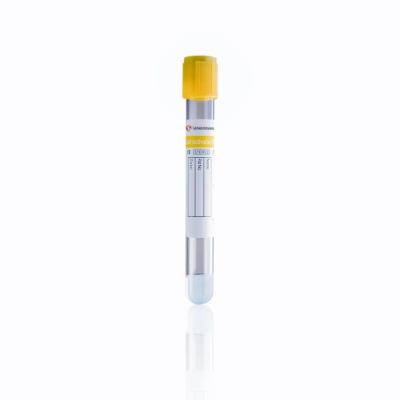
Vacuum
EDTA
Blood
Tubes
for
Complete
Blood
Count
(CBC)
–
High
Quality,
Secure
Seal
EDTA
blood
collection
tubes
are
essential
tools
in
clinical
laboratories
and
healthcare
settings,
especially
for
performing
Complete
Blood
Count
(CBC)
tests.
The
vacuum
EDTA
blood
tubes
are
specifically
designed
to
ensure
accurate
and
reliable
blood
sample
collection
while
minimizing
the
risk
of
contamination
and
hemolysis.
In
this
comprehensive
product
overview,
we
will
discuss
the
key
features,
benefits,
specifications,
uses,
and
frequently
asked
questions
(FAQ)
about
these
high-quality
blood
collection
tubes.
Key
Features
&
Benefits
-
Vacuum
Sealed
for
Consistent
Blood
Collection
The
vacuum-sealed
design
of
the
EDTA
blood
collection
tube
ensures
a
consistent
and
controlled
blood
draw.
The
vacuum
draws
the
precise
amount
of
blood
into
the
tube,
preventing
over-
or
under-filling,
which
could
lead
to
inaccurate
results
in
blood
tests.
This
feature
is
especially
crucial
for
diagnostic
procedures
like
Complete
Blood
Count
(CBC),
where
accurate
sample
volumes
are
critical
for
correct
analysis.
-
EDTA
Anticoagulant
for
Hematology
Tests
These
blood
collection
tubes
are
pre-filled
with
EDTA
(Ethylenediaminetetraacetic
acid),
a
well-known
anticoagulant
that
effectively
prevents
blood
clotting.
EDTA
works
by
binding
calcium
in
the
blood,
which
is
essential
for
the
clotting
process.
By
preventing
clot
formation,
the
EDTA
blood
collection
tubes
help
maintain
the
integrity
of
blood
cells,
ensuring
accurate
results
for
tests
that
require
whole
blood,
such
as
CBCs,
blood
typing,
and
other
hematology
tests.
-
High-Quality
Construction
for
Secure
and
Leak-Proof
Sealing
These
tubes
are
made
from
high-quality,
durable
plastic
that
provides
excellent
protection
against
breakage
and
contamination.
The
secure,
leak-proof
cap
ensures
safe
transportation
of
the
blood
samples,
making
them
ideal
for
use
in
hospitals,
laboratories,
and
clinics.
The
tubes
are
designed
to
maintain
the
integrity
of
the
sample
during
transport
and
storage,
preventing
any
spillage
or
exposure
to
external
contaminants.
-
Easy
to
Label
and
Organize
Each
vacuum
EDTA
blood
collection
tube
is
equipped
with
ample
labeling
space,
allowing
healthcare
professionals
to
easily
mark
the
patient's
details,
collection
date,
and
other
important
information.
This
helps
ensure
proper
identification
and
organization
of
blood
samples
in
clinical
environments.
Specifications
|
Specification
|
Details
|
|
Material
|
High-Quality
Polyethylene
(PE)
or
PET
(Polyethylene
Terephthalate)
|
|
Volume
|
1.28ml-10ml
|
|
Anticoagulant
|
EDTA
(Ethylenediaminetetraacetic
acid)
|
|
Type
|
Vacuum
Sealed,
Single
Use
|
|
Cap
Color
|
Lavender
(standard
for
EDTA
tubes)
|
|
Labeling
Area
|
Wide,
clear
area
for
easy
identification
and
barcode
|
|
Sterilization
|
Sterile
(Gamma
Radiation
or
Ethylene
Oxide)
|
|
Seal
Type
|
Secure
Leak-Proof
Closure
|
|
Shelf
Life
|
2-3
years
from
manufacture
date
(unopened)
|
|
Storage
Conditions
|
Store
in
a
cool,
dry
place,
away
from
direct
sunlight
|
Common
Uses
&
Applications
-
Complete
Blood
Count
(CBC)
EDTA
blood
collection
tubes
are
most
commonly
used
for
performing
CBC
tests.
These
tests
analyze
blood
components
such
as
red
blood
cells,
white
blood
cells,
platelets,
hemoglobin,
and
hematocrit.
CBC
results
are
essential
for
diagnosing
conditions
like
anemia,
infections,
and
blood
cancers.
-
Hematology
Testing
Aside
from
CBCs,
EDTA
tubes
are
used
for
a
variety
of
hematology
tests
that
require
whole
blood,
such
as
blood
typing,
reticulocyte
count,
and
clotting
factor
tests.
EDTA
effectively
prevents
clot
formation,
ensuring
the
blood
remains
in
its
natural
state
for
accurate
analysis.
-
Crossmatching
and
Blood
Donation
In
blood
banks,
EDTA
tubes
are
often
used
for
crossmatching
blood
samples
to
ensure
compatibility
between
donors
and
recipients.
This
helps
avoid
potential
transfusion
reactions.
They
are
also
used
to
store
blood
donations
before
they
are
processed
and
transfused.
-
Transporting
Blood
Samples
The
vacuum
EDTA
blood
tubes
are
perfect
for
safe
transportation
of
blood
samples
to
distant
laboratories.
The
secure
seal
prevents
leaks
or
spills
during
transit,
while
the
vacuum
ensures
that
the
blood
sample
is
in
optimal
condition
when
it
arrives
for
testing.
Who
Should
Use
EDTA
Blood
Collection
Tubes?
-
Clinical
Laboratories:
EDTA
tubes
are
essential
tools
in
clinical
labs
for
accurate
blood
tests,
including
CBC,
hematology,
and
blood
typing.
-
Hospitals
&
Healthcare
Providers:
Doctors,
nurses,
and
medical
technologists
use
these
tubes
to
collect
blood
samples
for
diagnosis
and
treatment
planning.
-
Blood
Banks:
Blood
donation
centers
use
EDTA
tubes
for
crossmatching
and
processing
blood
donations.
-
Veterinarians:
Veterinary
clinics
use
EDTA
tubes
for
performing
hematology
tests
on
animals.
Material
Comparison:
EDTA
Blood
Tubes
vs.
Other
Blood
Collection
Tubes
-
EDTA
Tubes:
Made
from
durable
plastic
and
pre-filled
with
EDTA,
these
tubes
are
ideal
for
preventing
blood
clotting
in
whole
blood
samples.
EDTA
is
preferred
for
hematology
tests
as
it
preserves
blood
cells
without
altering
their
morphology.
-
Sodium
Citrate
Tubes:
Sodium
citrate
is
another
anticoagulant,
but
it
is
commonly
used
for
coagulation
studies.
EDTA
is
preferred
for
tests
like
CBC,
while
citrate
tubes
are
better
for
platelet
function
tests.
-
Heparin
Tubes:
Heparin
is
used
as
an
anticoagulant
for
plasma
and
chemistry
tests,
but
it
is
not
suitable
for
hematology,
as
it
can
affect
blood
cell
morphology.

Conclusion
Vacuum
EDTA
blood
collection
tubes
are
an
essential
product
for
accurate
and
reliable
blood
sample
collection.
With
features
like
a
secure,
leak-proof
seal,
precise
vacuum
draw,
and
the
use
of
EDTA
to
prevent
clotting,
these
tubes
are
the
gold
standard
for
hematology
tests,
including
Complete
Blood
Counts
(CBC).
Their
durability,
sterility,
and
ease
of
use
make
them
ideal
for
clinical
laboratories,
blood
banks,
hospitals,
and
healthcare
professionals.
Whether
you
are
performing
routine
diagnostic
tests
or
handling
critical
blood
samples,
EDTA
blood
collection
tubes
ensure
the
highest
standards
of
accuracy
and
safety.
FAQ
Q:
What
is
the
difference
between
EDTA
and
other
anticoagulant
tubes?
A:
EDTA
is
primarily
used
for
hematology
tests
such
as
CBC,
as
it
preserves
blood
cells
effectively
without
altering
their
shape.
Other
anticoagulants
like
sodium
citrate
or
heparin
are
used
for
specific
tests
like
coagulation
or
chemistry
studies.
Q:
Can
EDTA
blood
tubes
be
used
for
all
types
of
blood
tests?
A:
While
EDTA
tubes
are
ideal
for
tests
like
CBC,
blood
typing,
and
hematology,
they
are
not
suitable
for
tests
requiring
serum,
such
as
chemistry
panels.
For
serum-based
tests,
tubes
with
no
anticoagulant
or
those
containing
clot
activators
should
be
used.
Q:
How
long
can
EDTA
blood
tubes
be
stored?
A:
EDTA
tubes
have
a
shelf
life
of
2-3
years
from
the
manufacture
date
when
unopened.
After
collection,
blood
samples
should
be
processed
within
a
specific
timeframe
to
ensure
the
accuracy
of
the
results.
Q:
Are
these
tubes
suitable
for
pediatric
use?
A:
Yes,
EDTA
tubes
come
in
different
volumes,
including
smaller
sizes
for
pediatric
blood
draws.
Their
vacuum-sealed
design
ensures
that
the
correct
volume
of
blood
is
drawn
with
minimal
discomfort.