English
Sign in
| Price | Negotiation |
| MOQ | 1 |
| Delivery Time | 14Days |
| Brand | GCC |
| Place of Origin | Guangdong,China |
| Certification | CE, ISO |
| Packaging Details | Wooden Box |
| Payment Terms | T/T |
| Supply Ability | 5000Sets/Month |
| Usage | Medical, Industrial, Forensic and Educational Sectors. | Place of Origin | Guangdong,China |
| Keyword | Chemical Lab Explosion-Proof Ventilation Hood | Sash | Temper Glass |
| Size | Customized | Packaging Details | Wooden Box |
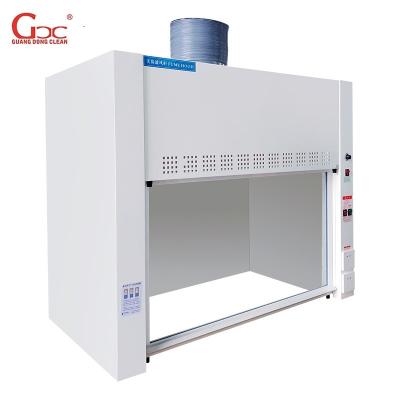
| Product Name | 304 Stainless Steel Explosion-Proof Fume Hood for Chemical Lab | NOISE | <65dB |
| Supply Ability | 5000Sets/Month | Certification | CE, ISO |
| Brand Name | GCC | Payment Terms | T/T |
| Air velocity | 0.3-0.6m/s | Price | Negotiation |
| Delivery Time | 14Days | Minimum Order Quantity | 1 |
| Application | Chemical & Petrochemical Industry |
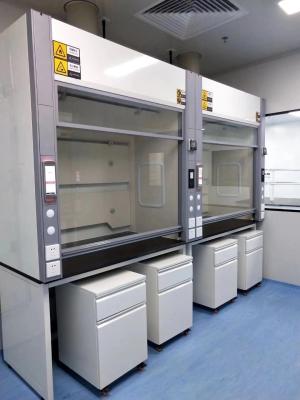
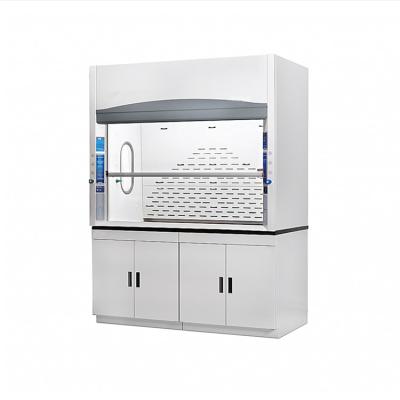
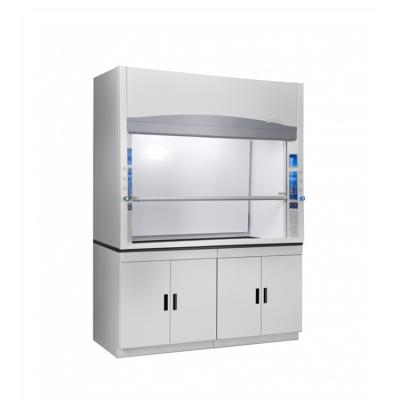
A Stainless Steel Explosion-Proof Fume Hood is a safety device specially designed for chemical laboratories, pharmaceutical workshops, petrochemical plants, and food testing centers. Made of 304 or 316 stainless steel, it resists corrosion from acids, alkalis, and organic solvents, withstands high temperatures, and is equipped with explosion-proof fans, lighting, and switches to prevent accidents caused by flammable gases or dust.
This fume hood not only ensures operator safety but also enhances overall laboratory compliance and a safer working environment.
| Specification | Description |
|---|---|
| Material | 304 Stainless Steel (general use) / 316 Stainless Steel (highly corrosive environments) |
| Size | Customizable according to laboratory needs (e.g., 1200/1500/1800mm width) |
| Airflow | Selected based on lab space and types of gases handled (recommended face velocity ≥0.5 m/s) |
| Explosion-Proof Rating | Complies with national/international explosion-proof standards (Ex d, Ex e, or ATEX certified) |
| Lighting | Explosion-proof LED lights, energy-saving and high brightness |
| Electrical System | Explosion-proof switches and sockets, safe and reliable |
| Optional Accessories | Sink, gas lines, power outlets, and other add-ons available |